
OBRAS—a Portuguese word meaning work in progress—refers to the active state of making: work that is underway, evolving, unresolved. The residency is built around that condition, offering artists space and time for focused work without prescribed outcomes or imposed programs. Each resident determines the direction and pace of their stay.
OBRAS welcomes emerging and established artists working across disciplines, including visual art, music, writing, performance, architecture, film, and research-based practices.
About OBRAS
Founded in 2002 by Ludger and Carolien van der Eerden, OBRAS was built on the belief that research, revision, and sustained concentration are central to artistic practice.
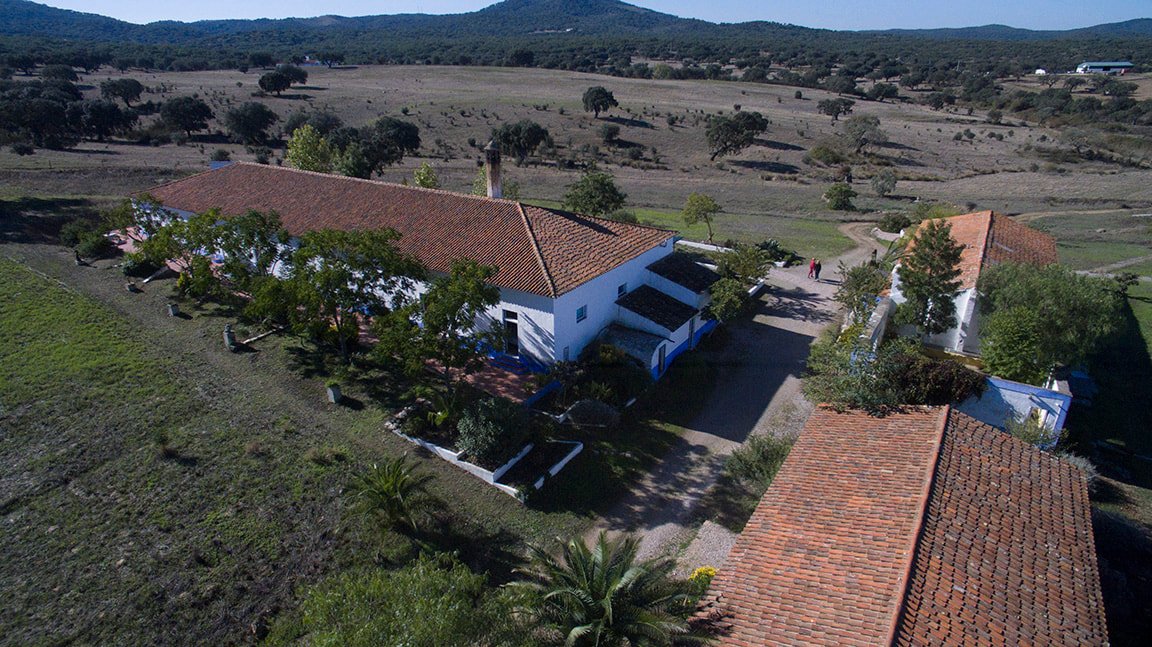
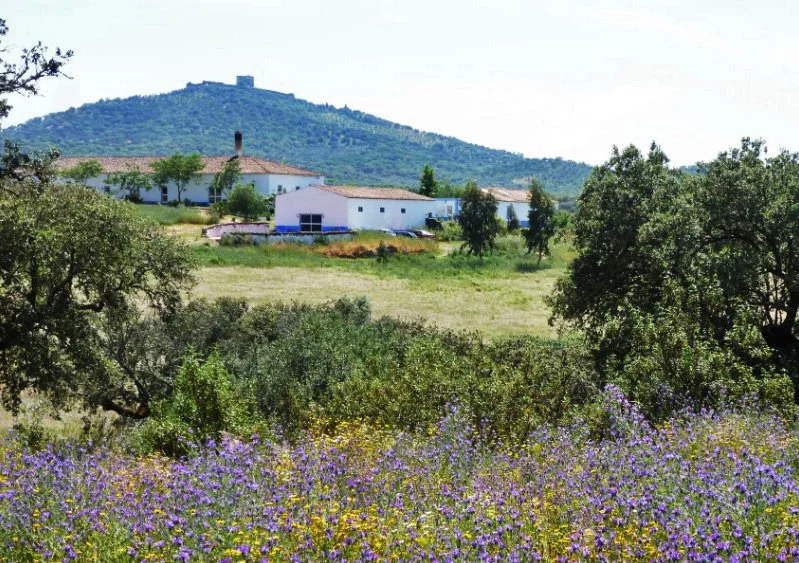
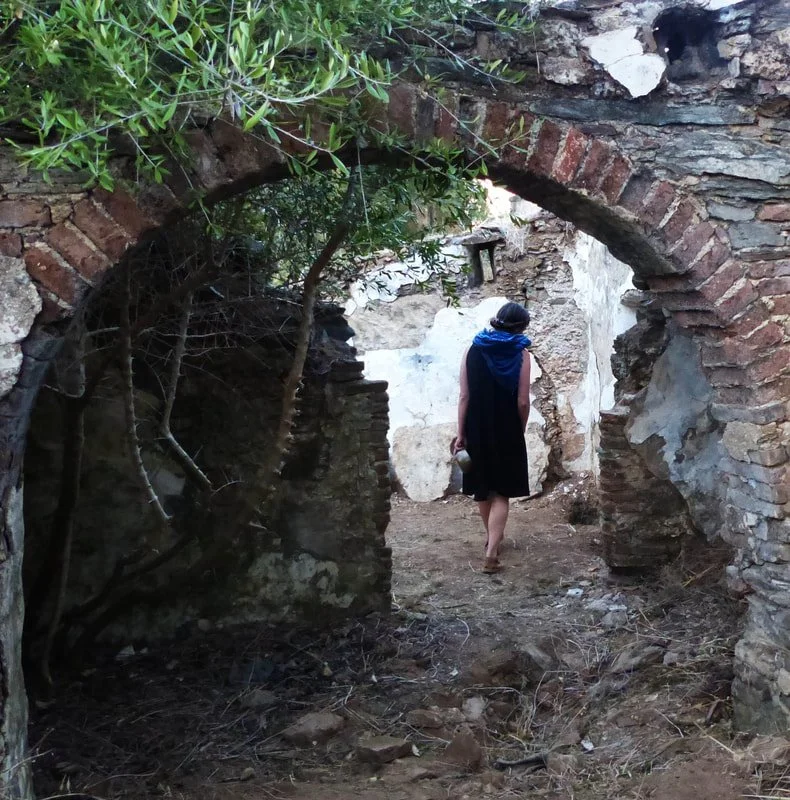
The property has developed over generations. Casa Principal, the main house, is a traditional Portuguese monte built more than two hundred years ago. Other buildings were added later, including studios and cottages. The buildings sit close enough to feel connected, but far enough apart that you can move through the day without interruption.
The buildings have thick stone walls that moderate the temperature. Interiors remain shaded and cool through much of the summer. There is no air conditioning. Fans are available. During cooler months, electrical heaters are provided.
OBRAS was conceived as a place where your practice can thrive. That remains the same: to maintain the conditions that allow serious work to develop without pressure to produce or perform.
The climate is continental. Summer days can be hot, and evenings cool noticeably. Winters are moderate but can feel damp.
In 2026, stewardship passes to a new generation of directors.
The Experience
Residencies at OBRAS are self-directed. Residents are given time to work without expectations of finished outcomes. The emphasis is on process rather than results, and on allowing work to develop at its own pace while living alongside a small group of international artists on the property. Opportunities to share work exist, but participation is informal and never required.
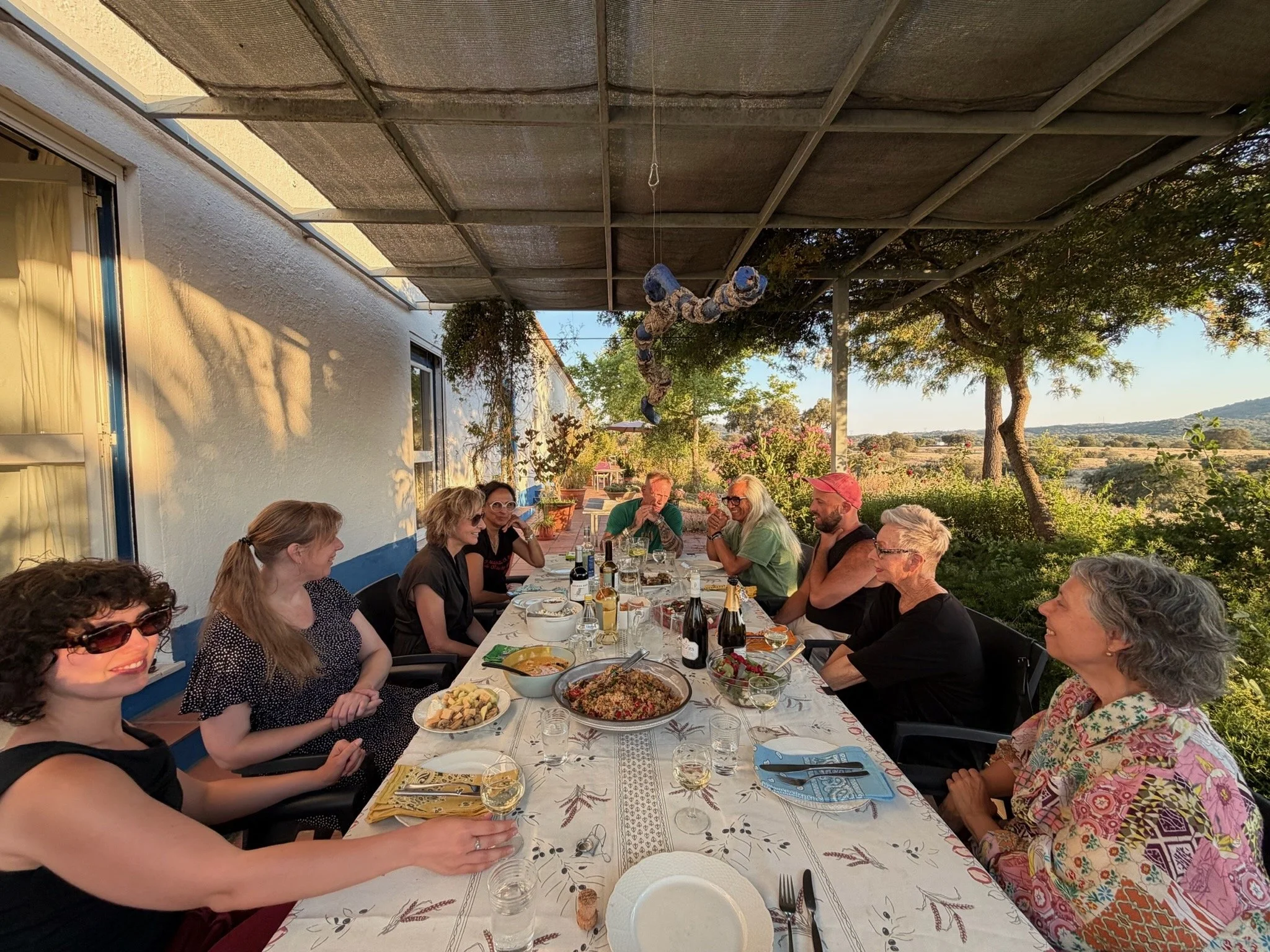
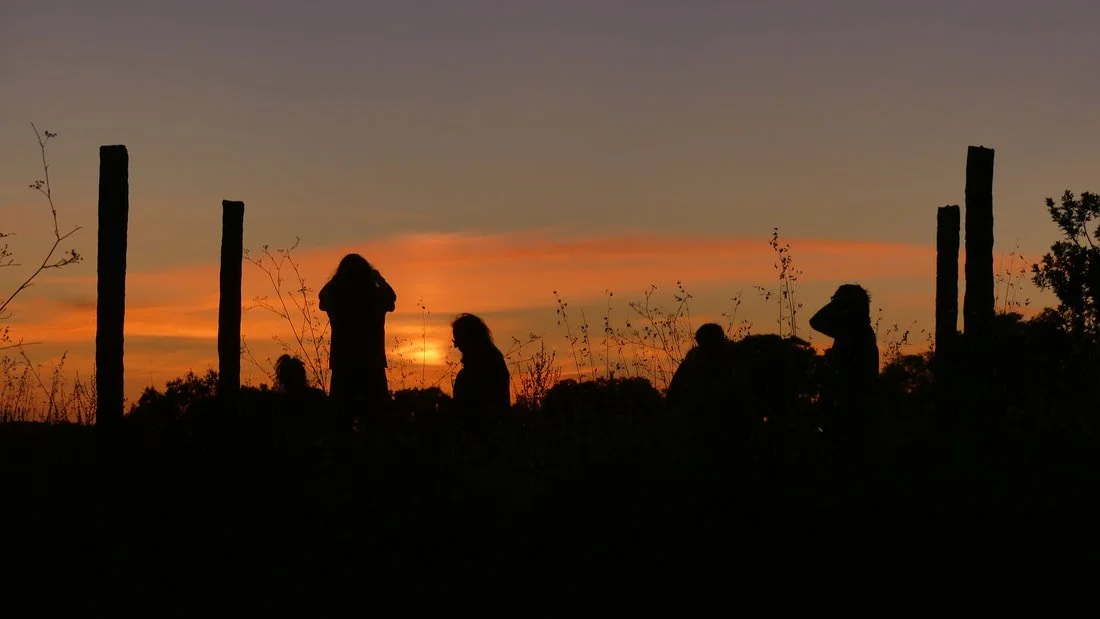
About every five days, we gather for a shared dinner. Each resident prepares a dish, and we eat together. It is a simple way of marking time and staying connected without turning the residency into a social program.
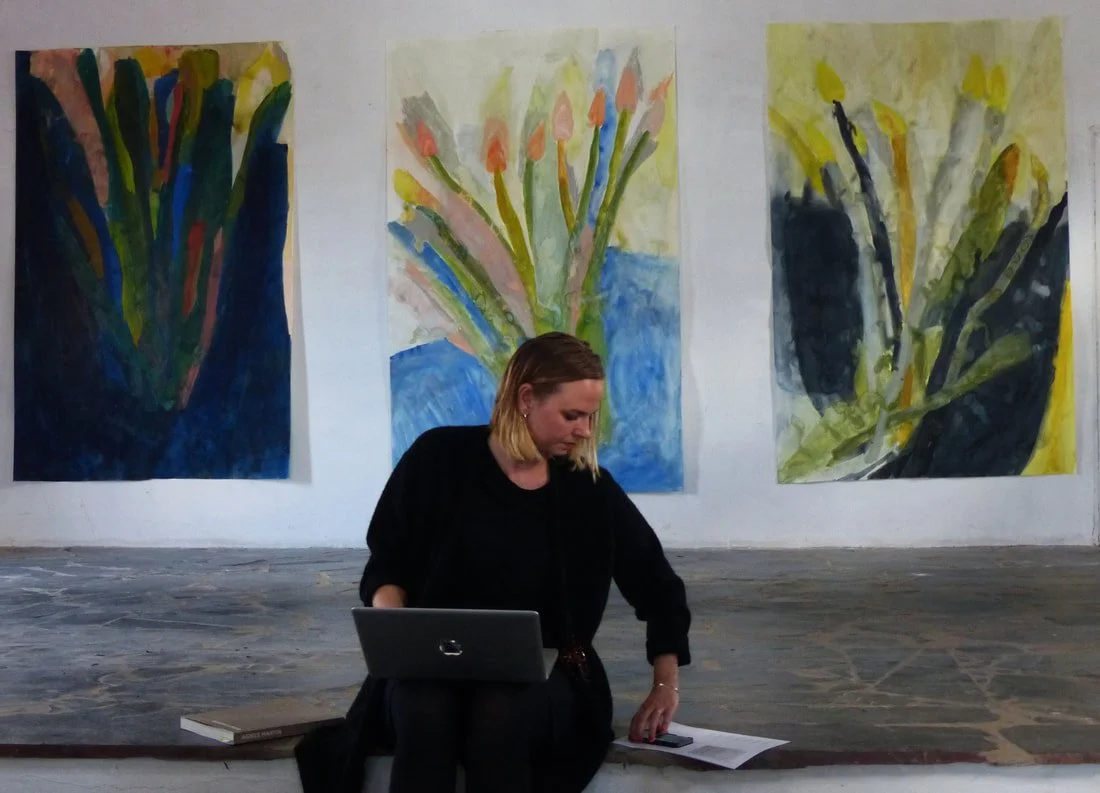
During their stay, residents are invited to give an informal talk. This can be about their background, their current work, or the questions they are working through while here. These talks are conversational rather than formal, and often reflect work that is still in progress.
Twice a year, we organise an open studio and invite the local community to visit. Residents open their studios and share what they have been working on, whether finished or not. On those days, we cook together again — a larger meal this time — and welcome guests to eat with us. It is not a formal exhibition. It is simply a way of opening the doors.
Arrival, Travel & Orientation
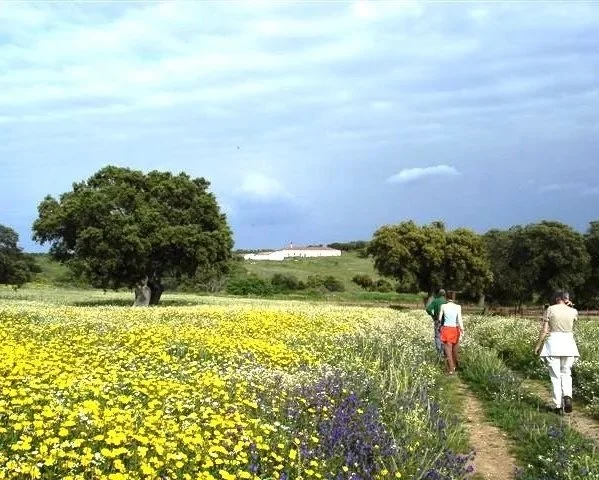
If you are flying into Lisbon, the simplest options are to rent a car or take an express bus. Buses run from Lisbon-Sete Rios to Estremoz. Tickets and timetables are available at rede-expressos.pt.
From Estremoz, we can arrange to pick you up and stop at a supermarket before coming to OBRAS. You may also travel from Estremoz by taxi or by local bus (rodoviaria.pt). The local bus runs three times a day and does not operate on weekends.
There is a bus stop directly at our gate called Camping Alentejo. From there, walk through the gate marked “Herdade da Marmeleira” and follow the unpaved road for approximately 400 meters.
Having your own car is helpful, especially if you would like to visit nearby towns or explore the marble quarries independently.
On the day you arrive, we take some time to go over practical details. We copy your passport, collect emergency contact and insurance information, walk you through the buildings and surroundings, explain recycling, and talk about what you are hoping to work on while you are here. If your residency fee has not already been settled, we take care of that as well.
Resources
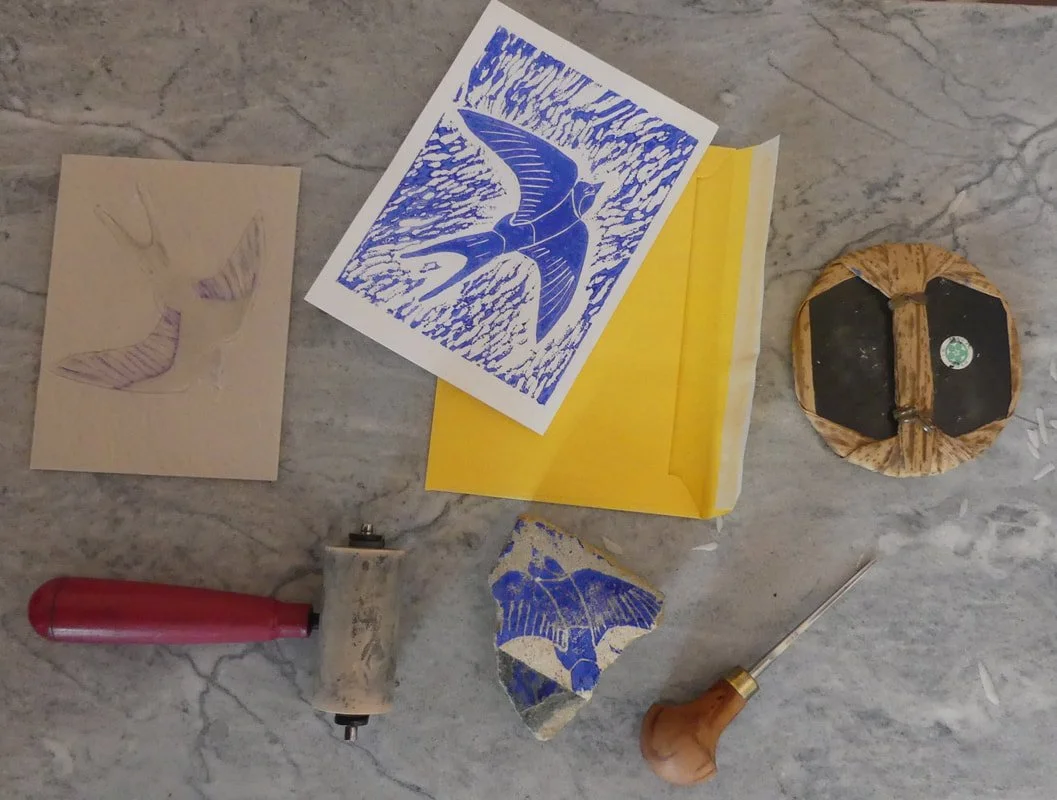
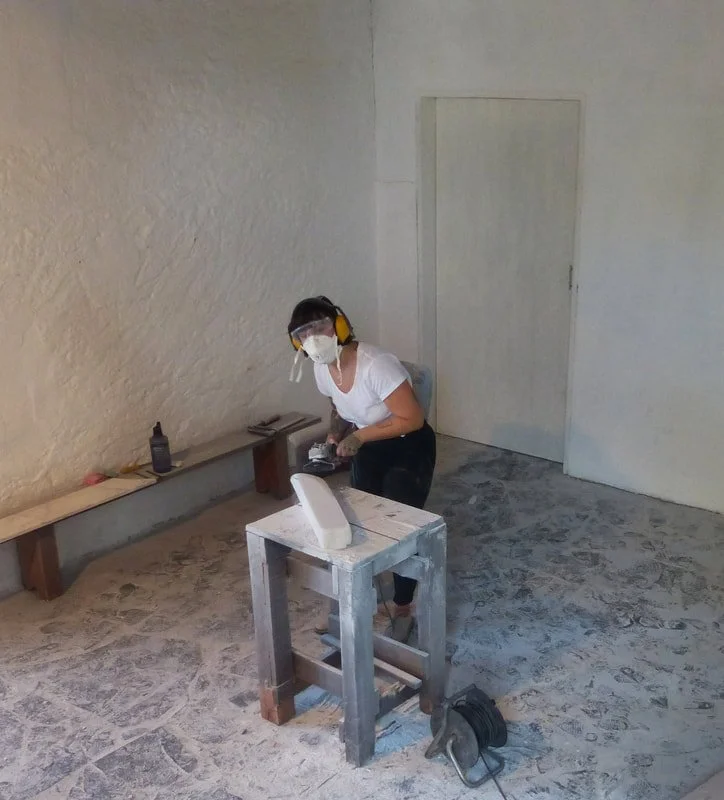
OBRAS provides the basic conditions needed for focused work. Studios are adaptable and can be arranged according to your needs. Tools and equipment are limited but available. It is best to bring the materials you rely on or arrange delivery in advance.
Professional art materials can be found at Ponto das Artes, and can be easily delivered to Obras.
Ponto das Artes
Rua Ivens 10, Loja D
Chiado, 1200-227 Lisboa
+351 21 431 4830
Contact: Sandra Diniz
www.pontodasartes.com
While at OBRAS you can purchase more basic supplies in Estremoz:
Truques E Dicas Artes Decorativas, Lda.
R. de Santo André 37, 7100-453 Estremoz, Portugal
+351 268 324 040
truquesedicaslda.webnode.pt
We advise against sending materials by post from outside the EU. Customs procedures can be complicated and time-consuming, import taxes may apply, and delivery can take more than four weeks.
Marble is present throughout the region. Within roughly ten kilometers of OBRAS begins a marble zone that extends for many kilometers. The stone has been quarried since Roman times and remains part of daily life here. Residents may collect small pieces of marble from designated areas near the quarries. Both active and abandoned quarries can be visited. Some residents work directly with the material. Others respond to the scale, acoustics, or altered landscape of the sites. We can help connect residents with local institutions, quarry operators, or technical advisors when appropriate. For more information, see our Landscape page
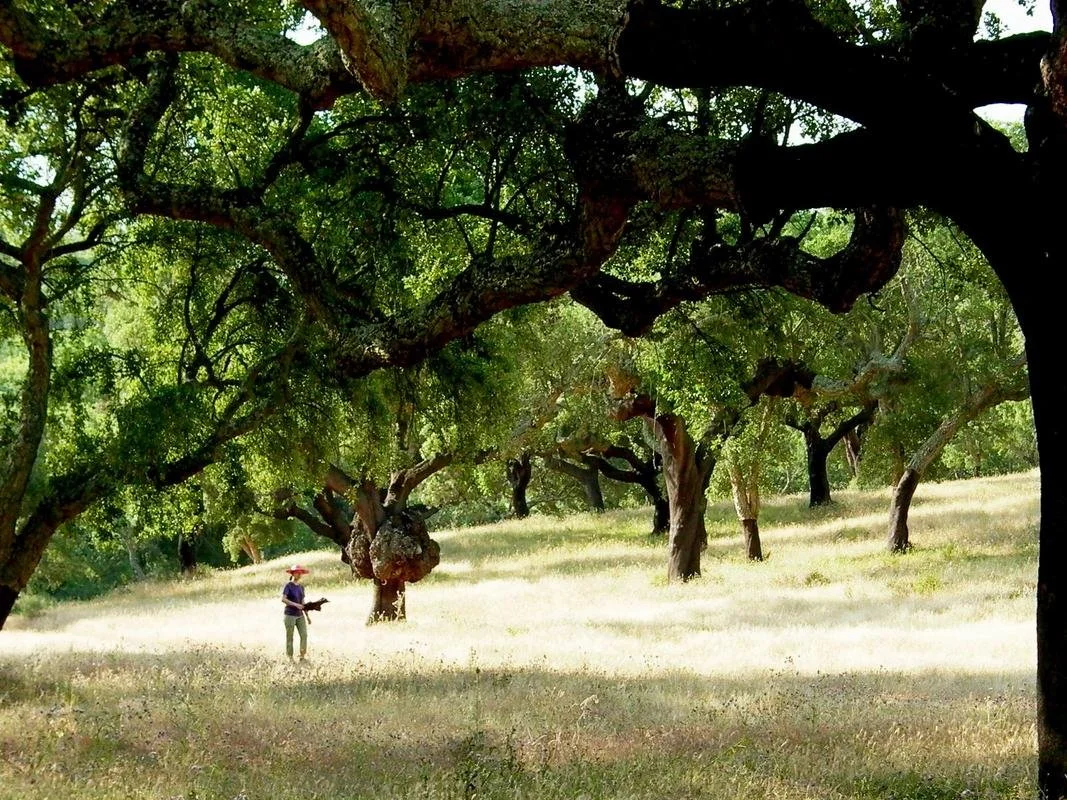
Cork is another regional material with strong artistic potential. It is harvested from the bark of cork oaks in summer and processed in nearby factories.
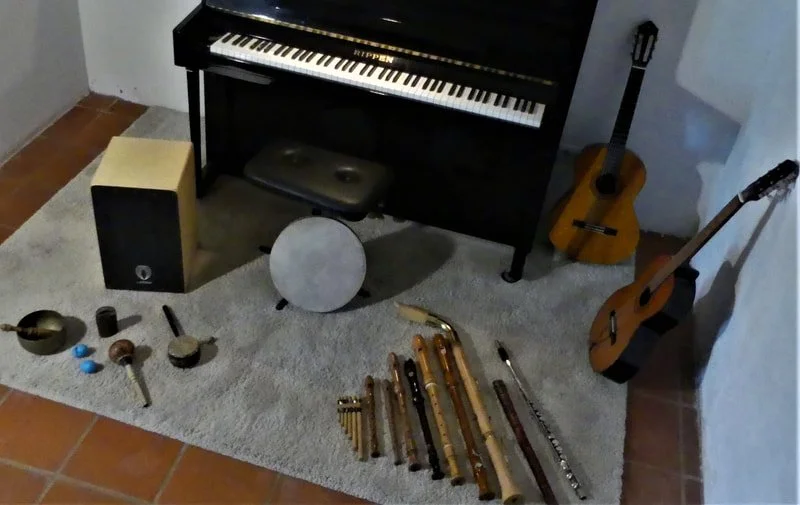
For music and informal gatherings, the residency also has a good-quality piano, flute, guitar, recorders, a cajón, and several other instruments available for shared use.
Guidelines & Safety
OBRAS operates on mutual trust and personal responsibility. Residents are expected to respect the buildings, studios, equipment, landscape, and the other artists working here at the same time.
OBRAS is built on a simple belief: artists do better work when they feel genuinely welcome—not welcome like a policy, welcome like a door that’s actually open.
Be curious about the people and place around you. Be generous with your failures as much as your
successes. Be decent. People arrive here from different cultures, languages, beliefs, and ways of living. Part of living together at OBRAS is learning how to share space with care, patience, and respect, without
expecting everyone to think or live in the same way. We ask everyone to approach one another with
openness, respect, and consideration. No matter where you come from, who you love, or how you identify, everyone should feel equally at home here.
The residency is self-directed. There is no daily supervision. You are responsible for how you use your time, your materials, and your working conditions. Shared spaces should be kept in good order and returned to how you found them.
You are free to rearrange furniture in your apartment or remove art from the walls while you are here. We only ask that everything is returned to its original place before you leave.
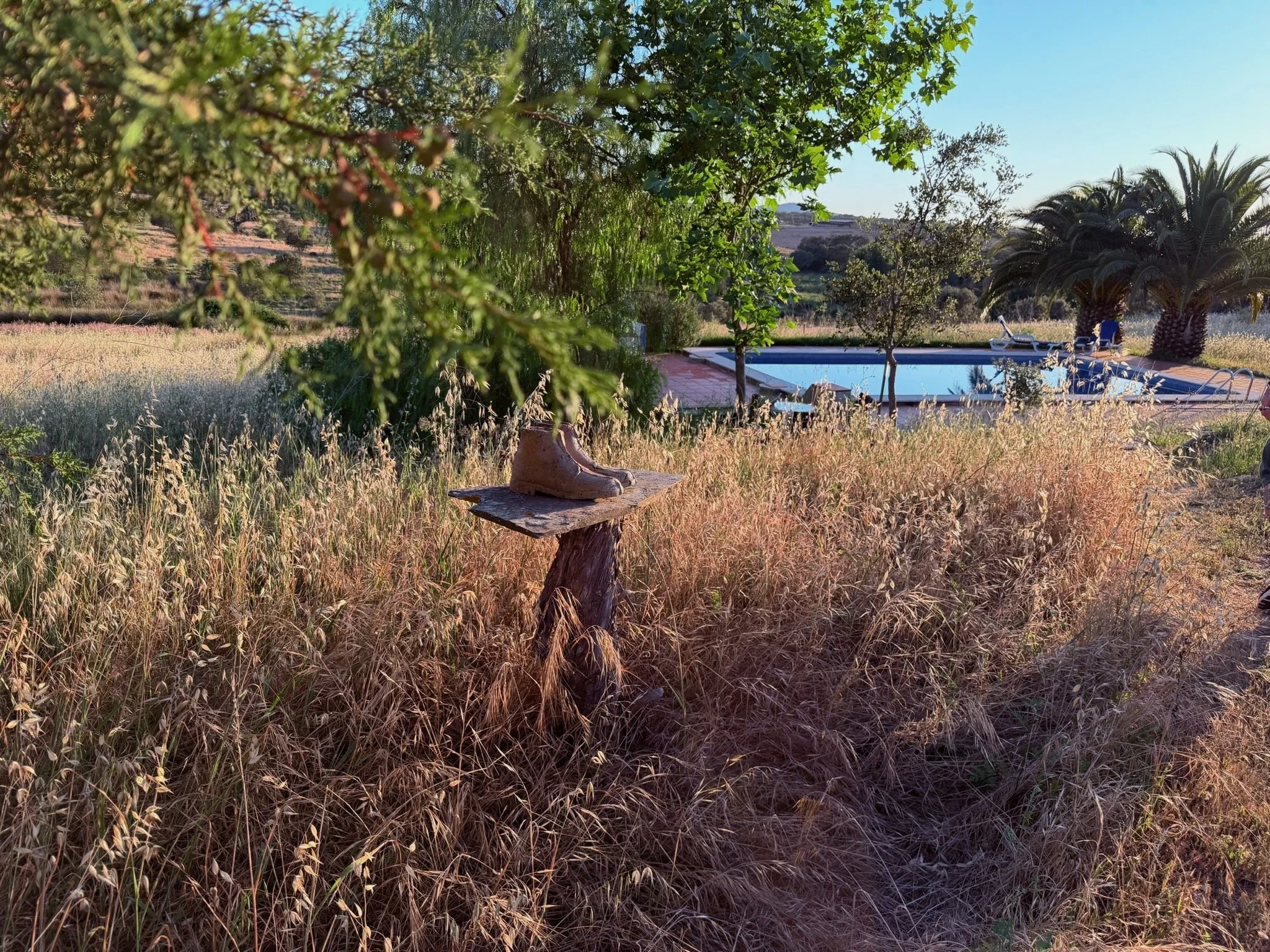
The surrounding countryside includes uneven terrain, agricultural activity, and active or abandoned marble quarries. Visits to remote areas are undertaken at your own discretion and responsibility. Good footwear and common sense go a long way.
Residents must carry medical insurance that provides coverage in Portugal for the full duration of their residency. OBRAS cannot accept responsibility for personal injury, loss, or damage. Our suggestion: https://genki.world or similar.
Structure
OBRAS welcomes applications from artists and researchers who are looking for focused, independent time for sustained work. Artists with both established and emerging professional practices are encouraged to apply. Groups are welcome; each applicant should submit a separate application
Residents are provided: private accommodation; studio access (assigned based on availability and practice needs); utilities and limited Wi-Fi; access to shared communal areas.
Residents are responsible for travel, materials and project costs, food and daily living expenses, and health insurance.
Residencies run between three and eight weeks; this length tends to suit the rhythm of the place—long enough to settle in, short enough to stay focused. Occasionally,
shorter stays are possible. These are considered individually, and the weekly rate will be slightly higher.
Costs
The houses are simple and priced according to their size and layout. All costs are per week.
Casa Principal 165€ (245€ for two people).
Casa Vicente 210€ (310€ for two).
Casa Miradouro 200€ (320€ for two).
Ateliers are available as needed, based on availability
Atelier Branco 50€ per week
Atelier Rossio 50€ per week
Atelier Amplo 65€ per week
Sala da Música 65€ per week
To confirm a residency, we ask for a deposit (82,50€ per week), this secures the time and space. The remaining balance is settled upon arrival. Please note that due to the limited nature of our residency accommodations, deposits become non-refundable within 90 days of the residency start date.
Laundry is 5€ per load.
During their stay the spaces are cared for by the residents. Some choose to have the space cleaned at the end of their stay (55–65€ depending on the casa).
In colder months, heating charges are reflected by actual electricity use during your stay.